A ritual older than writing, on one synchronized canvas.
The Yasna is the core ritual of the Zoroastrian tradition. Its oldest parts were composed in the second millennium BCE, in Avestan, and transmitted orally for over a thousand years before anyone wrote them down. MUYA films the full ceremony and binds it, verse by verse, to transcribed manuscripts, critical editions, and translations, so that a curious visitor and a philologist can finally read the same ritual.
Treat a living tradition as an architecture, not a content dump.
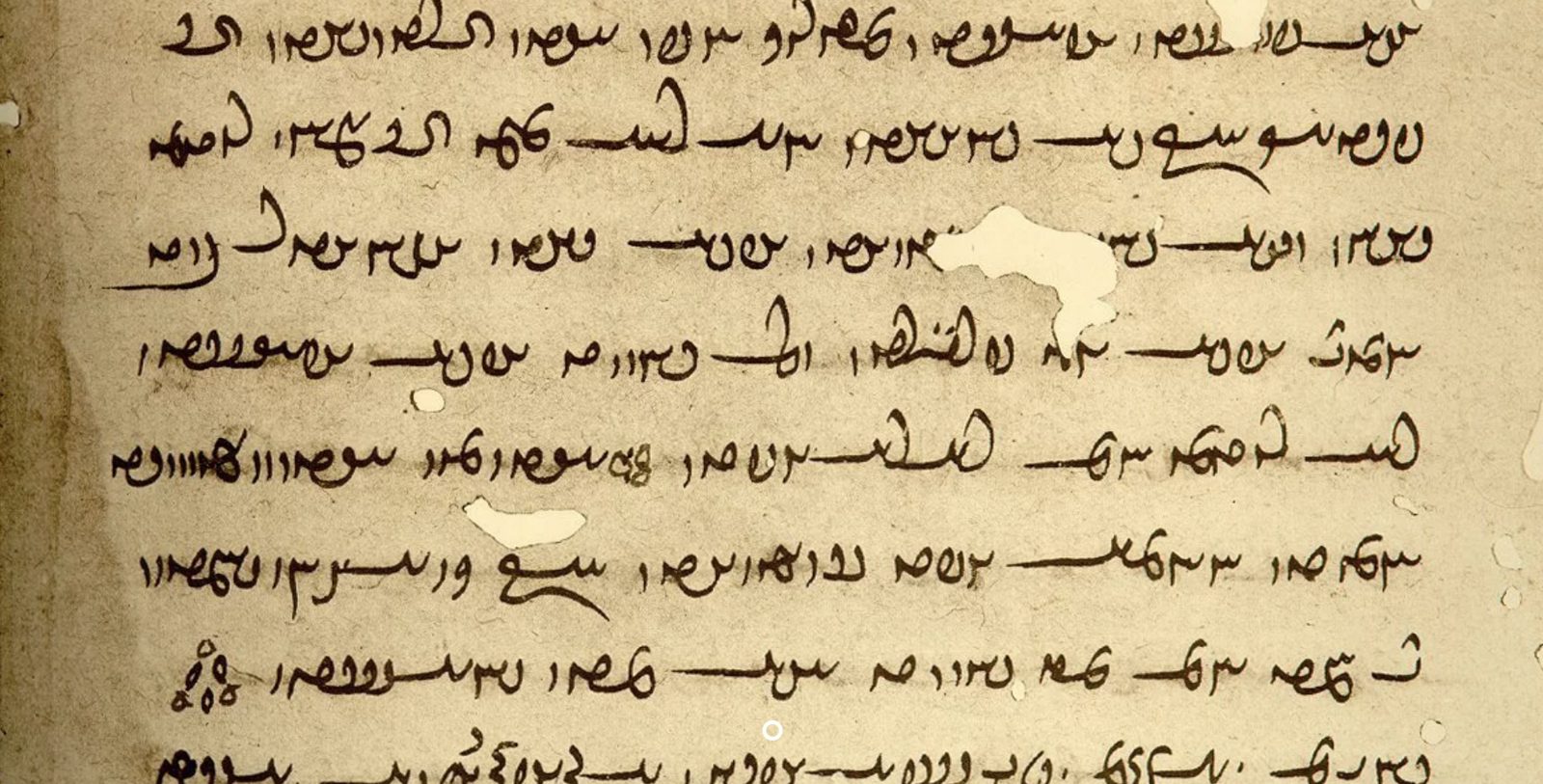
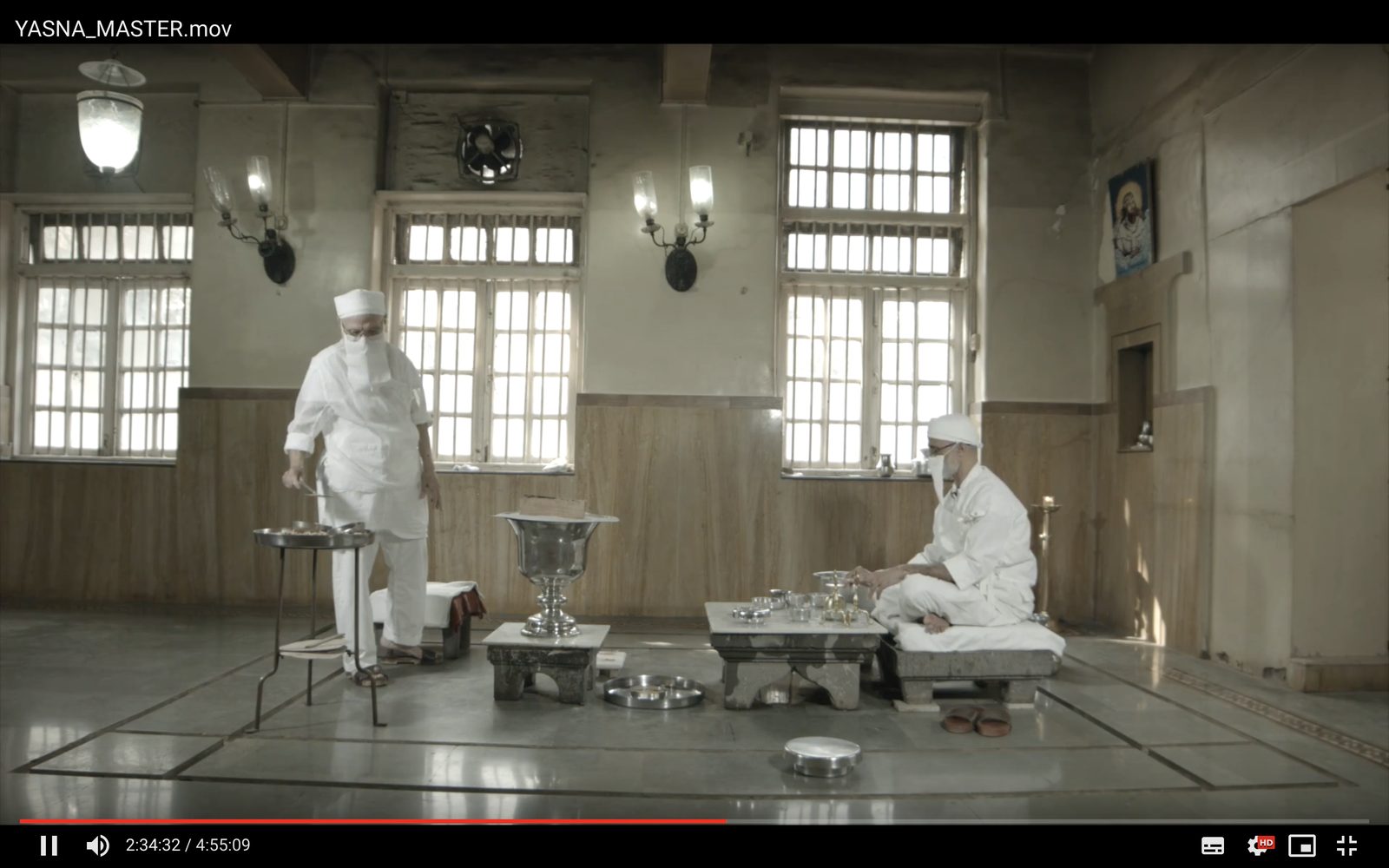
Until MUYA, the Yasna existed in two disconnected worlds: the performed ritual, recited daily from memory by Zoroastrian priests, and the written scholarship, locked in archives and editions legible only to specialists. No documentation of the full performance existed. The project's premise was that neither world alone is the Yasna; the product had to hold both.
The job: fit five hours of ceremony, 3,500 years of text, and four layers of scholarship onto one navigable surface — without losing the public or insulting the scholars.
Outdated editions, no performance record, expert-only access.
Interpretation of the Yasna had long been hampered by editions and translations decades out of date, and by a deeper structural gap: the ritual as performed had never been studied alongside the text as written. Meaning lives in both; the tools kept them apart.
- Fragmented sources: manuscripts dispersed across collections, editions in print silos, recordings nonexistent.
- Two audiences, no bridge: practising Zoroastrians and Iranian philologists on one side, the interested world locked out on the other.
- Extinction pressure: an oral tradition carried by a small priesthood, with no complete record of the ceremony it transmits.
Philologists, priests, and engineers: one design mandate.
MUYA is an international research consortium (UK, Germany, India, Iran) led from SOAS. Designing inside it meant aligning people a discipline apart: film crews in Mumbai, editors of critical texts, digital-humanities engineers, and the tradition's own custodians. Three principles held that alignment:
- Custodianship over extraction. The tradition keeps authority over its digital form.
- Provenance everywhere. Every verse traces to manuscript witness and editorial decision.
- Graceful complexity. Depth reveals progressively; no audience is priced out or dumbed down.
"We rejected a video page plus a documents page. The film is the spine of the archive."
The synchronized canvas.
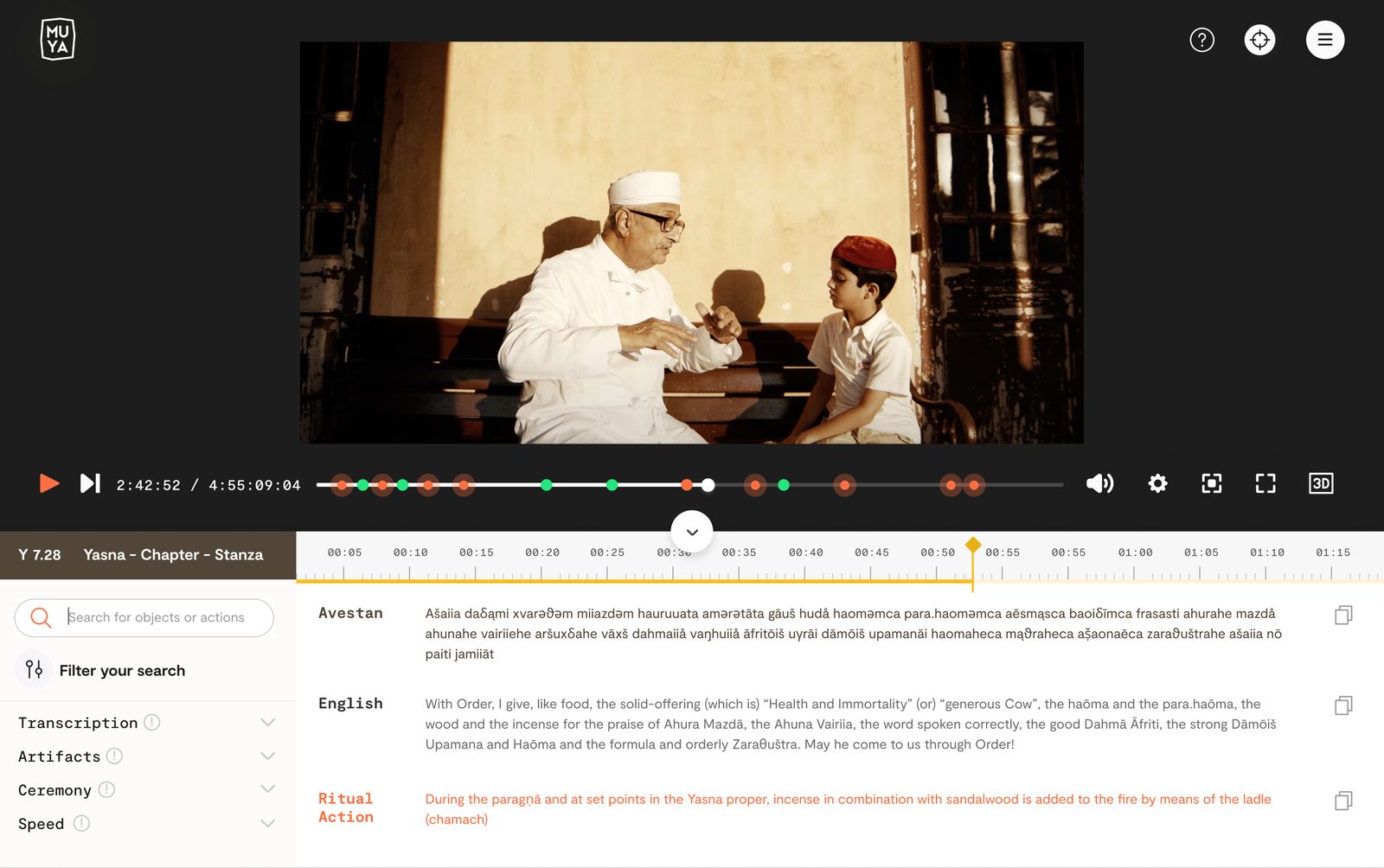
The subtitled, interactive film carries the entire experience. Transcription, translation, and commentary hang from the recording and stay locked to its timeline: scrub the ceremony and the scholarship follows; select a verse and the ceremony answers. A visitor watches; a scholar drills from translation to transliteration to manuscript witness without ever leaving the moment of the ritual.
The same pattern I later brought to enterprise AI surfaces is here in its first form: one trusted canvas, progressive depth, visible provenance. Different robes, same architecture.
Filmed in 360°, edited like scripture, built like software.
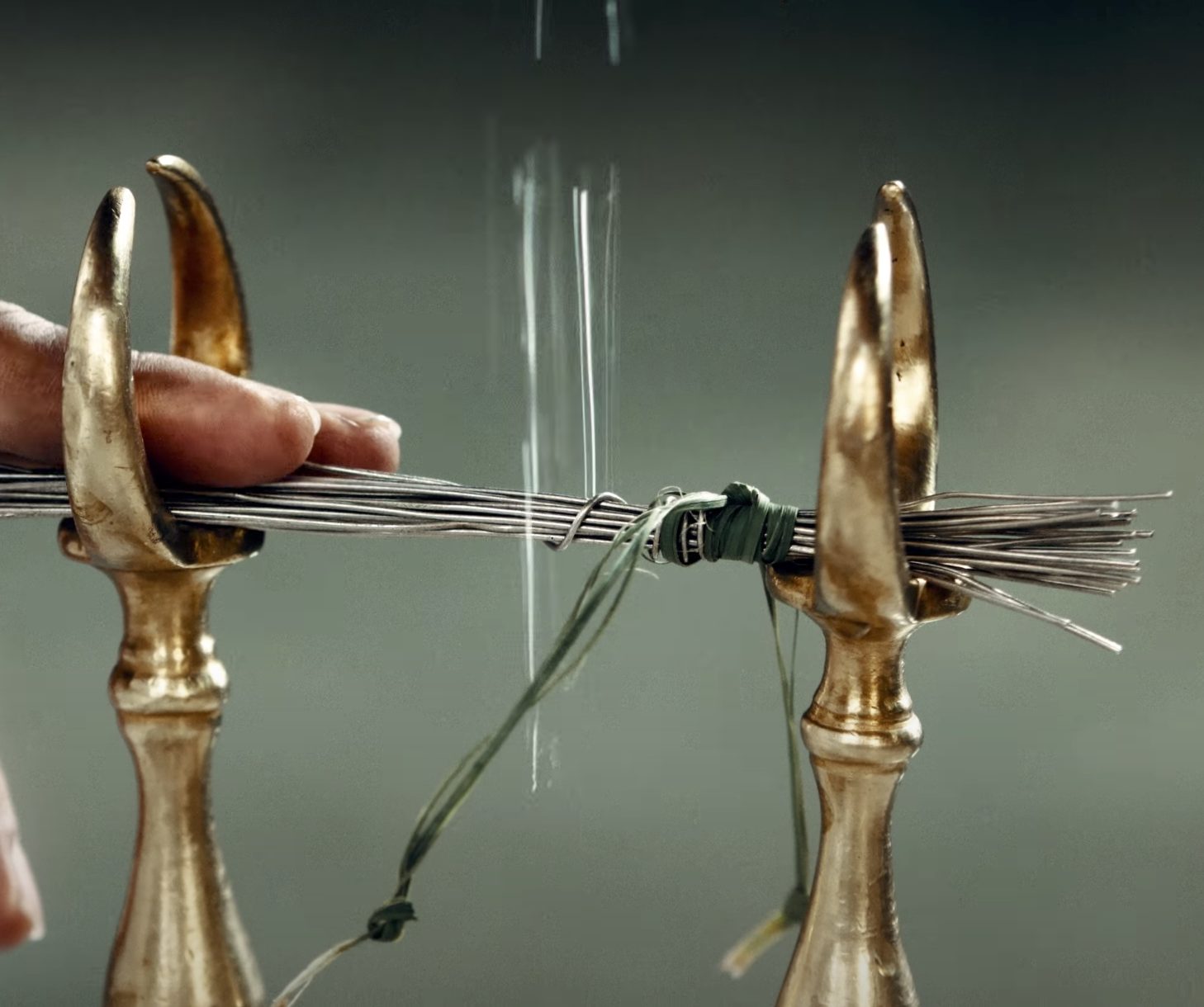
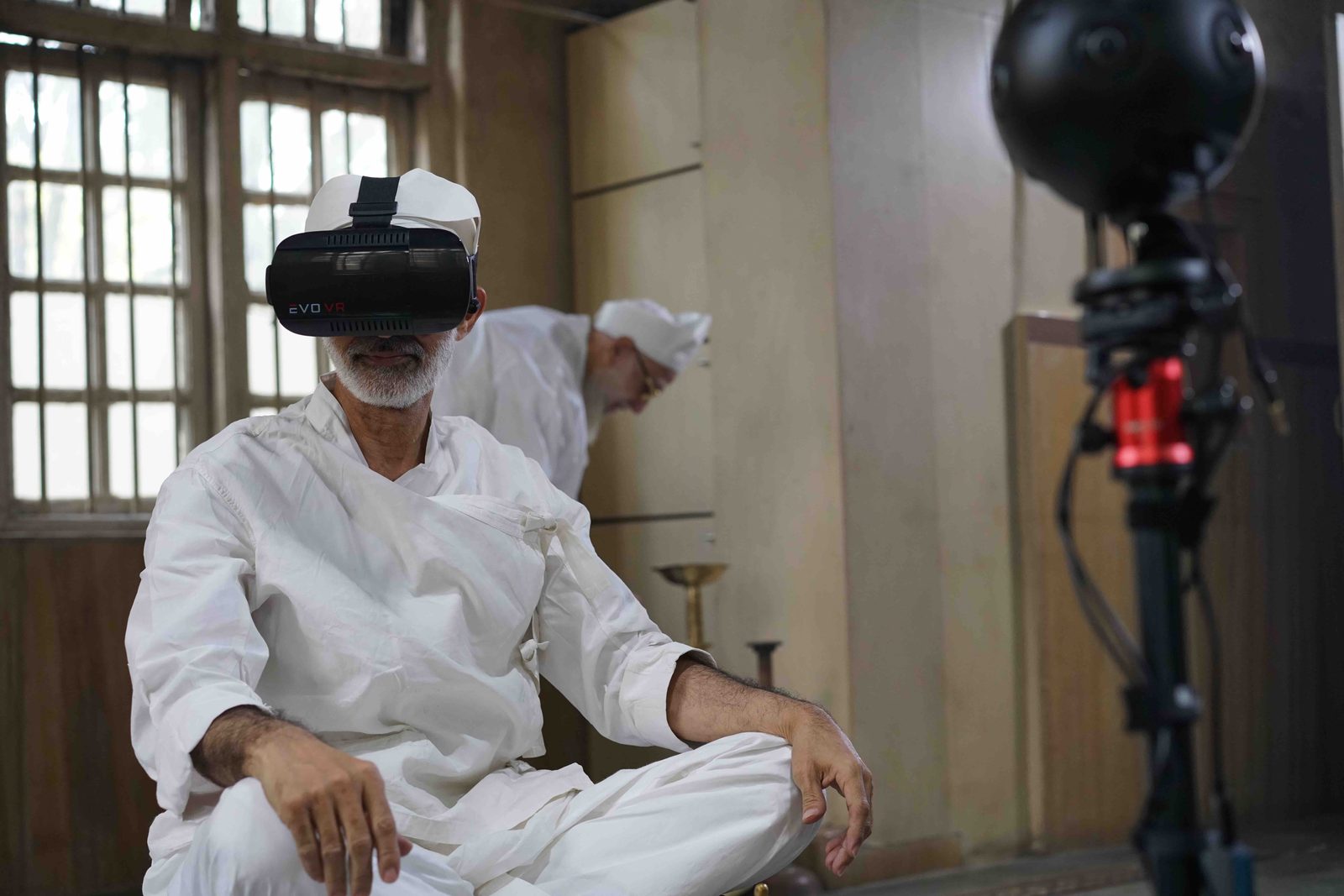
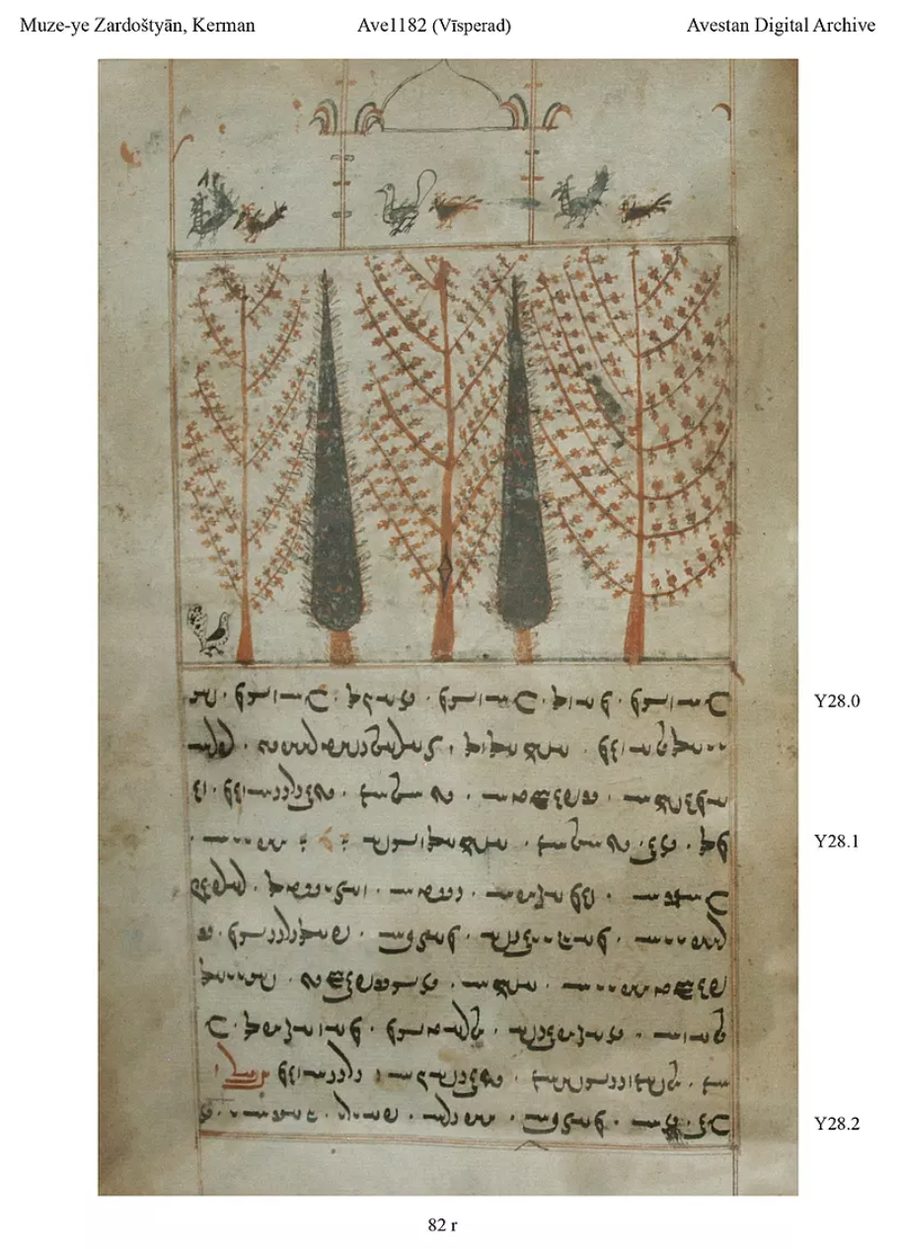
The build ran on three parallel tracks. In Mumbai, the ceremony was documented inside the fire temple with multi-camera and 360° rigs, capturing the spatial memory of the ritual, not just footage. In parallel, manuscript witnesses were digitized and transcribed through the Avestan Digital Archive pipeline. The same editorial tools scholars use to build critical editions feed the database the public platform reads from.
- 360° capture & headset review: documentation designed for future interfaces, not only this one.
- Manuscript pipeline: digitization → transcription → witness linking, page by illuminated page.
- One database, two faces: the scholars' editorial tooling and the public canvas are the same system.
- Philologists as users: design iterated inside the research consortium, tested against real scholarly work.
Choices that made five hours navigable.
- Film-first information architecture: chapters follow the liturgy's own structure, not a CMS's.
- Verse-level anchors: every line of every layer is addressable and shareable, down to the timecode.
- Progressive disclosure: subtitles by default; transliteration, apparatus, and commentary opt-in per layer.
- Witness comparison: manuscript variants surface beside the edition instead of in footnote exile.
- Respectful pacing: no autoplay tricks, no engagement mechanics; the ceremony sets the tempo.
- Subtitle-first accessibility: the same layer system that serves scholars serves hearing and language access.
From philologists only, to the world.
Knowledge formerly restricted to students of Iranian philology and practising Zoroastrians is now a public, navigable ecosystem. The two traditions of the Yasna, performed and written, are studied together for the first time, on a surface built to honor both.